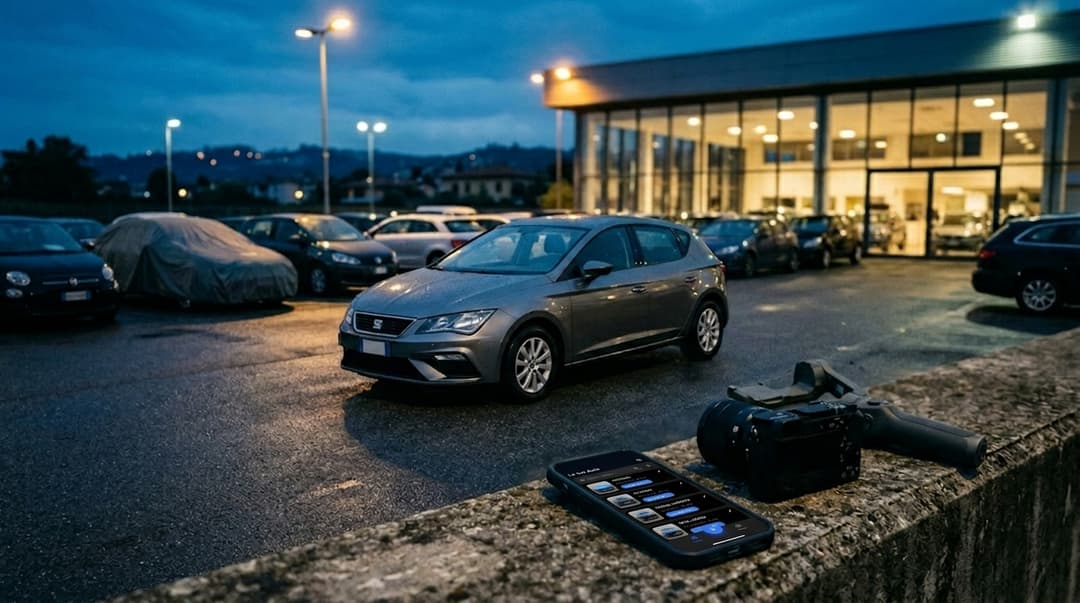
Car Dealership Lot Attendant: 40 Cars to Photograph by Noon
From the morning list of trade-ins to the last photo before lunch: what a lot attendant and dealership photographer actually do, hour by hour.
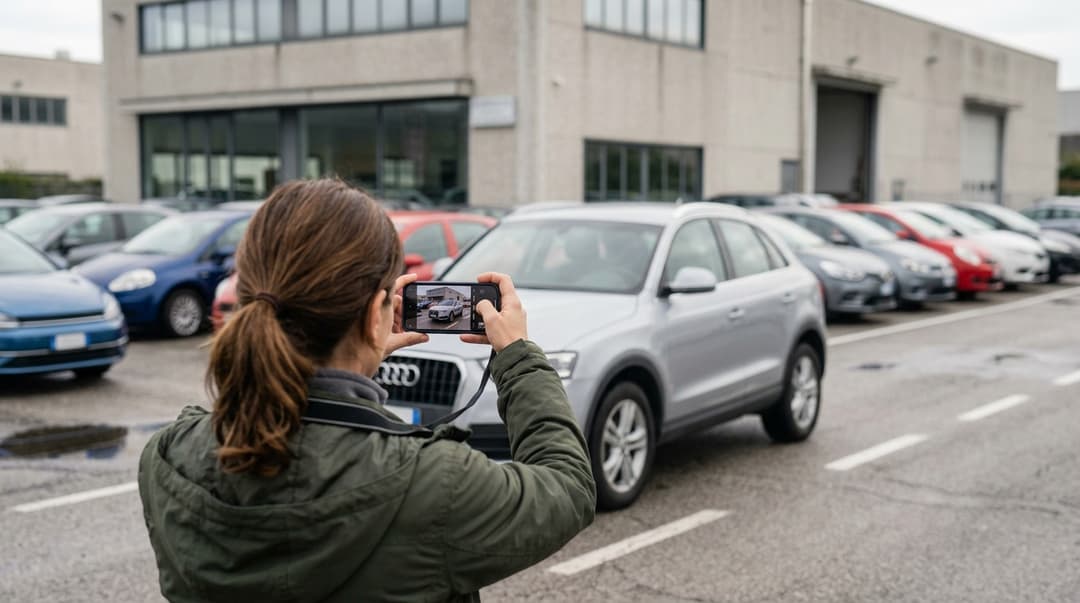
What a car dealership lot attendant does, told through one morning: 40 cars, a shot list, a blurred photo caught on the spot, hidden plates, 360° view, video and social ads from the same photos.
It's 7:10 on a Monday. Danny parks his own car at the far end of the lot, grabs the key box and opens the list on his phone. He's a lot attendant at a mid-sized dealership: one franchise, a used car lot out back, a service department that never stops. Today the list says 40 cars: new arrivals that came off the truck on Friday and trade-ins that finished prep over the weekend. Rachel, the used car manager, wants them online before lunch. This is his morning, with the practical part for anyone who does this job, hires for it or is thinking about it.
What does a lot attendant do at a car dealership?
A car dealership lot attendant moves, organizes and prepares vehicles on the lot so they are ready to be seen, driven and sold. Depending on the store, that includes checking in new arrivals and trade-ins, keeping the lot in order, shuttling cars to and from the wash, detail and service, and photographing inventory for the website. At many dealerships the lot attendant and the dealership photographer are the same person.
The job description changes from store to store, but the core tasks are usually these:
- Checking in vehicles: new arrivals from the truck, trade-ins from the sales floor, cars back from auction.
- Moving cars: to the wash, the detail bay, service, the front line and the delivery area.
- Keeping the lot organized: rows by model or price band, keys tracked, no blocked cars when a customer wants a test drive.
- Basic prep: fuel, tire pressure, stickers off, interior tidy, dealer plates or frames on.
- Photographing inventory: a full, consistent set of photos for every car that goes online.
7:30 – The list, and the order that matters
Danny doesn't start with car number one. He starts with the cars that are already clean. Twelve trade-ins came out of detail on Saturday: those go first, because every hour they sit without photos is an hour nobody online can see them. Then the new arrivals that are already prepped. The three cars still waiting for a wash go to the end of the list.
He lines them up near the photo spot: a stretch of the lot with no other cars behind, no light poles in the frame and enough room to walk all the way around each vehicle. A 2021 Toyota RAV4, a Honda Civic, a Ford Escape with 48,000 miles. Ordinary cars, the kind that make up most of the inventory.
8:00 – First car: identify it, then shoot
Danny opens the CarTake Photo app and scans the VIN of the RAV4. The app opens a capture session already linked to that car, so there are no files to rename later and no risk of mixing up two silver SUVs. Then the app shows the shot sequence: front three-quarter, side, rear three-quarter, rear, interior, details. On screen, the AI guidance tells him when he's too close or the angle is off.
It isn't a professional camera and it doesn't need to be. What matters is that every car gets the same set of views, in the same order, from the same distance. That is what makes an inventory page look like one store instead of forty different people.
8:25 – The blurred shot
On the Civic, the rear three-quarter comes out soft: Danny moved while the phone was still focusing. The app flags it right away as blurred and asks for a new shot. He takes two steps back, holds still and shoots again. Ten seconds.
Without that check, the blurred photo would have gone online and someone would have noticed it on Wednesday, scrolling the website. By then the Civic would be parked behind three other cars and the reshoot would cost twenty minutes, not ten seconds. The immediate quality check is the difference between fixing a mistake on the spot and finding it days later.
What does a car dealership photographer do?
A car dealership photographer produces the photos that appear on the website, on listing portals and in the dealer's ads. The work is less about creativity and more about consistency: the same angles, the same framing and the same quality on every car, every day. Some stores hire a dedicated photographer, others give the task to a lot attendant, a porter or a member of the used car team.
If you're looking at car dealership photographer jobs, the listings usually ask for some mix of these: a valid driver's license (you'll move cars all day), comfort with a smartphone or camera, attention to detail, the ability to work outside in any weather and the habit of following a checklist without skipping steps. Experience with photo editing helps, but more and more dealerships use tools that handle background and processing automatically.
The shot list: a checklist for every car
This is the sequence Danny follows. It matches the standard views listing portals expect. For the detailed version, angle by angle, see the guide on how to photograph a car to sell.
- Exterior: front three-quarter (the cover photo), full side, rear three-quarter, straight front, straight rear.
- Interior: dashboard and steering wheel, front seats, rear seats, trunk.
- Details: odometer with mileage, wheels and tires, infotainment screen, keys.
- Equipment that sells: panoramic roof, tow hitch, third row, charging port on hybrids and EVs.
- Defects, shown honestly: scratches, dents, curb rash, worn seats. A clear photo of a small dent avoids a disappointed customer at the dealership.
9:40 – Same background for every car
By 9:40 Danny has finished fourteen cars. He doesn't touch a laptop. As soon as each photo is taken, CarTake processes it in the cloud: the AI removes the lot background, keeping glass, wheels and chrome clean, and places the car in the dealership's Digital Room, a virtual showroom with the same light and the same logo for the whole inventory. The site states 30 to 60 seconds per image.
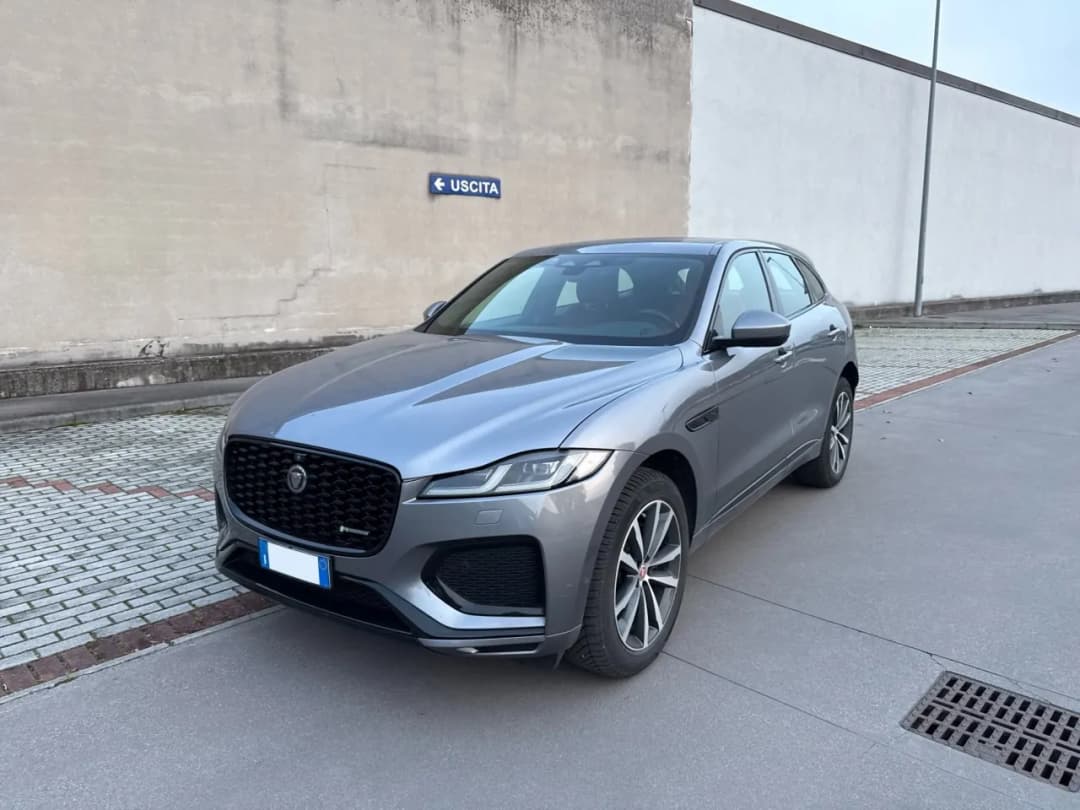
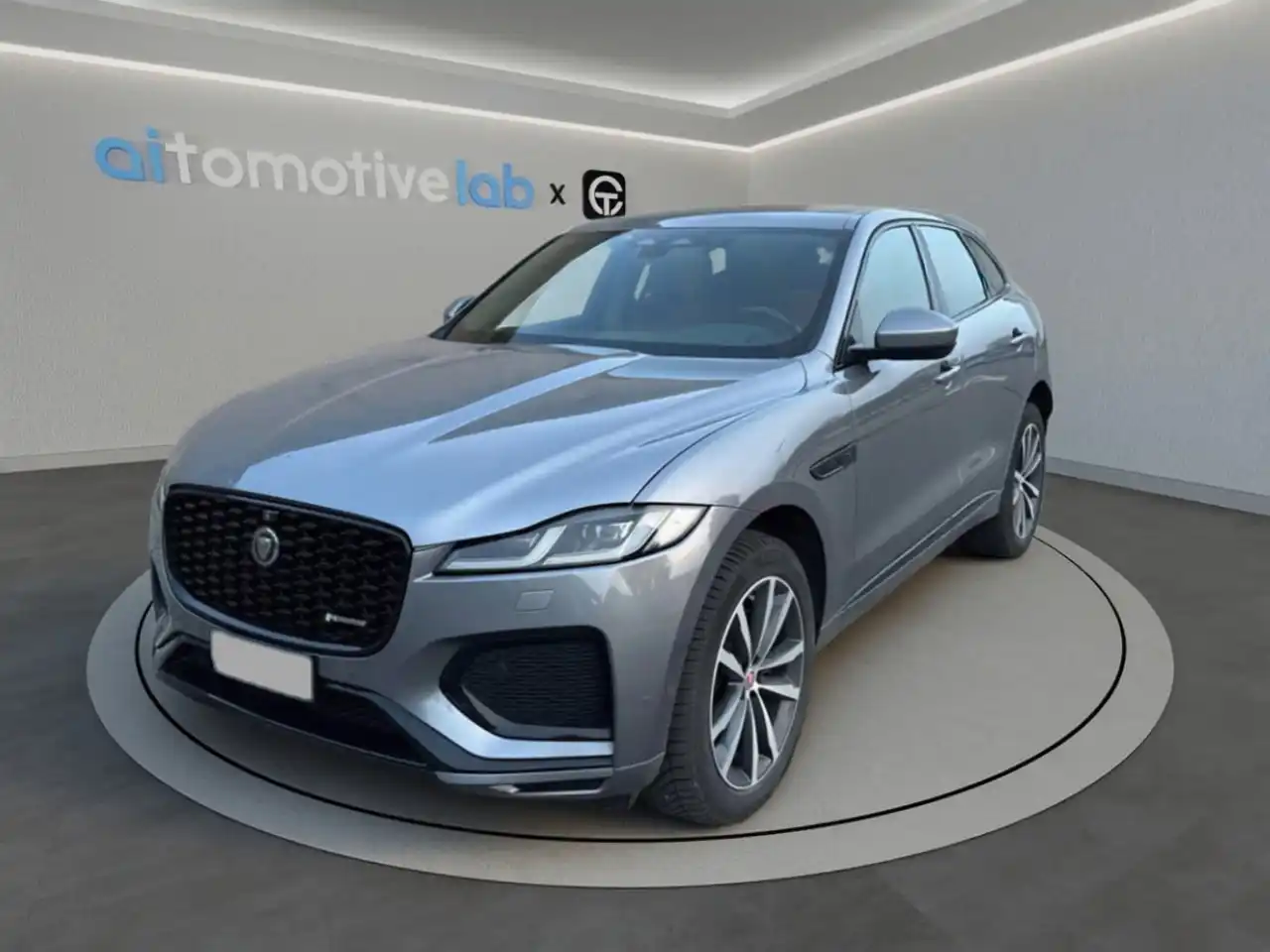
For Danny this changes one thing in particular: he no longer has to wait for a sunny afternoon or move cars in front of the one clean wall on the property. The photo spot only has to be safe and clear. The setting is added afterwards.
10:15 – The license plate question
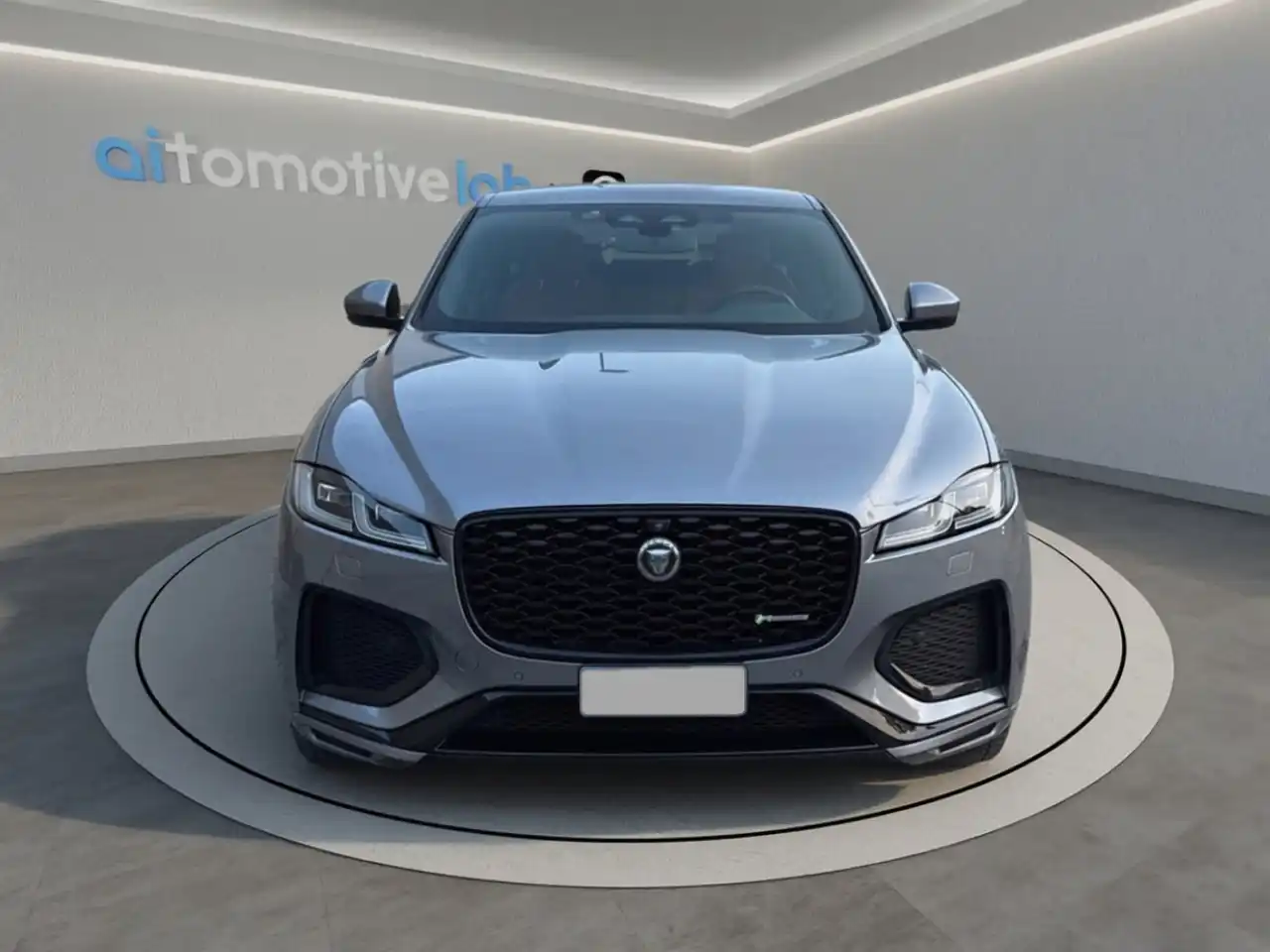
Trade-ins arrive with the previous owner's plates, and some managers don't want them visible online. Danny doesn't have to cover each plate with tape or a magnetic sign anymore. CarTake can hide the license plate in the processed photos, or replace it with a plate that carries the dealer's logo. The choice is the dealership's, and it's applied the same way to every car. For the pros and cons, read whether to hide the license plate in car photos.
11:00 – One session, more formats
Car number 27 is a Ford Explorer with a third row, the kind of car where buyers want to see everything before they call. From the same photos, CarTake generates a video of the vehicle that can go on the listing, the website and social. The car also gets a 360° view of the vehicle, so a customer browsing at night can look around it before driving to the store.
Danny doesn't edit videos and doesn't need to. His job stays the same: a complete, sharp, consistent set of photos. The other formats come from that work.
Tips for photographing cars on the lot
- Light: avoid harsh midday sun on dark cars when you can, and never shoot into the sun. Overcast days are your friend.
- Distance: keep the same distance for every exterior view and leave space around the car so nothing gets cropped.
- Height: shoot exteriors at about headlight height, not from eye level looking down.
- Consistency: same order, same angles, same photo spot. Customers compare cars side by side on the inventory page.
- Prep first: no photos before the wash. Remove price stickers, floor mats out of place, chargers and air fresheners.
- Wheels: turn the front wheels slightly in the three-quarter view so the rim shows, not the tread.
- Check before moving the car: once it's back in the row, a reshoot costs much more.
11:50 – Car 40, and the photos are already out
At 11:50 Danny closes the session on the last car, a Chevrolet Equinox that came in on trade Saturday afternoon. The processed photos are delivered automatically through the integrations the dealership uses, and from there they reach the website and the listing portals. Danny never downloads, renames or uploads a file.
In her office, Rachel looks at the stock list. Four cars have been on the lot for a while and need a push. She selects them, and CarTake creates the ads with the new photos and publishes them on Meta (Facebook, Instagram), TikTok and Google. She chooses which cars and which campaigns; CarTake takes care of building and publishing the car ads on social.
End-of-shift checklist for the lot attendant
- Every car on today's list has a complete photo set, or a note explaining why not (still at detail, waiting for parts).
- No session is left with flagged shots that weren't redone.
- Defects are photographed, not hidden.
- Keys are back in the box and logged.
- The photo spot is clear for tomorrow morning.
- Cars that came in after lunch are already on tomorrow's list.
Danny's job hasn't become easier because of a single tool. It has become clearer: move the car, prep it, shoot it right the first time. The rest happens without a laptop, and the cars he photographed at 8 a.m. can be seen online while he's still on the lot.
FAQ
Questions about the lot attendant job
The questions people ask most about working on the lot and photographing dealership inventory.
Do your lot attendants photograph cars every day?
In a demo we show guided capture, the quality check, Digital Room, plate options and how the same photos feed video, 360° view and social ads.