MIA · Marketing automation

Automotive marketing automation: journeys across WhatsApp, email and AI calls

For a car dealership, marketing automation means the right contact goes out on its own when something happens: a lead comes in, a quote gets no reply, an appointment is missed, the car a customer wanted arrives in stock. In MIA each journey uses WhatsApp, email, AI calls and Apple Wallet notifications, and the next step depends on what the customer actually did. When they reply, the AI carries on the conversation and writes the outcome to the CRM.

  • Triggers on leads, CRM, calendar and inventory
  • WhatsApp, email, AI calls and Apple Wallet in one journey
  • Branches on replies, clicks, calls and AI outcomes
  • One opportunity per run, with summary and task
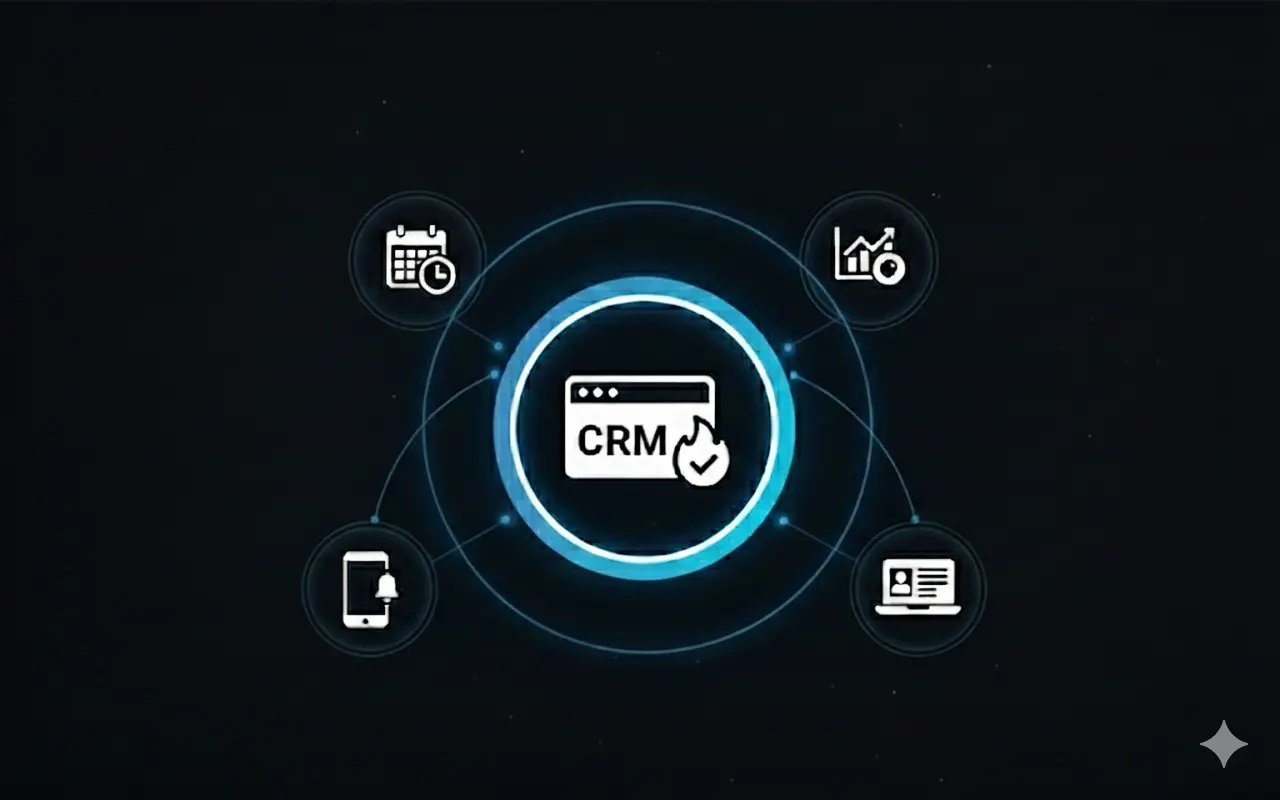
MIA’s CRM at the centre of calendar, notifications, reports and customer records
Journeys start from CRM, calendar and inventory events, and outcomes flow back into the CRM.
01

What marketing automation means for a dealership

In general, marketing automation sends communications automatically based on rules: an event, a date, entering a segment. The software decides when to send, on which channel and what to do next, so nobody has to remember. A drip campaign sends a fixed sequence on a schedule; a journey reacts to what the customer does.

In a dealership the events that matter are few and concrete: a lead to call back, a stalled quote, a test drive to follow up, a service due date, a car arriving in stock. Marketing automation keeps them from slipping when the BDC is busy. It is the backbone of lead nurturing automation: short, targeted steps that move a contact towards an appointment.

Read the dealership lead nurturing guide
02

One journey, four channels, branches on real outcomes

In MIA a journey is a sequence of steps. Each step can be a WhatsApp template, an email, an AI call or an Apple Wallet notification. After each step the journey branches on what actually happened.

Ready-made playbooks get you started: WhatsApp, then a call if the customer is silent; a call, then WhatsApp if nobody answers; WhatsApp with a button, then a call if they are interested.

  • Replied, or no reply within a time you set.
  • Clicked a WhatsApp template button.
  • Answered the call, or not.
  • AI outcome: interested, not interested, call back.
WhatsApp templates and campaigns in detail
03

What starts a journey

Triggers are dealership events, not just a calendar date. A journey can have several alternative triggers. Website forms arrive with source and UTM captured by MIA’s website tracking.

  • New lead: website form, Facebook and Instagram Lead Ads, customer created or updated.
  • CRM: the customer enters a saved view or a segment.
  • Opportunity: stage or status change, stage SLA exceeded.
  • Calendar: appointment created, changed or marked as no-show.
  • Reminder before an event: appointment, opportunity expiry, a date on the customer record.
  • Inventory: a car matching what the customer wanted arrives in stock.
  • Scheduled, one-off or recurring, or started manually.
  • API: an external system starts the journey.
04

8 dealership marketing automation examples

These are journeys you build in MIA with the triggers and steps above. You set the timing, copy and call script.

  • Lead not reached: a Lead Ads lead comes in and a WhatsApp template goes out right away; no reply within a few hours, and the AI calls.
  • Quote with no reply: the opportunity exceeds the quote stage SLA and a WhatsApp with a button goes out; whoever taps it gets an AI call.
  • After the test drive: when the opportunity moves past the test drive stage, a message asks how it went and suggests the next step.
  • No-show: the appointment is marked as no-show, a WhatsApp offers to rebook and the AI calls if there is no reply.
  • Service reminder: a few weeks before the service or inspection date on the customer record, a template invites them to book.
  • The car you wanted is here: a car matching their request arrives in stock and the customer gets a message.
  • Aged lead reactivation: a recurring journey on the RFM “At risk” or “Never purchased” segments, email and WhatsApp, with an AI call only to those who tap “I’m interested”.
  • Brand campaign: an external system starts the journey via API, and the AI call uses a brief generated from the promotion PDF.
Reminders and no-shows: the guide with templates
05

When the customer replies, the journey becomes a conversation

A reply does not land in an inbox someone has to check. The AI picks up the conversation with the goal, tone, objection handling and qualification questions you gave the journey, and writes the answers to CRM fields.

Each run opens a single opportunity, closed when the goal is reached or on timeout, with a summary, task and note. If the customer calls back within 2 hours of a missed call, MIA resumes the campaign context. An operator can take over at any time and the AI stops.

See how MIA qualifies and hands off leads
06

Who enters a journey, and how often

Each journey has entry conditions (“Only if”) to narrow who receives it. Re-entry rules decide whether someone can go through it again: once per customer, or again after a set number of days.

07

Consent and opt-out

A marketing-consent check can be enabled on each journey, so it only considers customers who opted in. AI calls always respect the customer’s voice opt-out. MIA records consent per channel.

On WhatsApp, outside the 24-hour window you can only send Meta-approved templates. This page is not legal advice.

08

Reports and A/B tests

Each journey report is broken down by template and channel: WhatsApp sent, delivered, read and button clicks; email opens and clicks; calls answered, not answered and duration.

On two manually started journeys you can compare two variants: contacts are split deterministically and you see how many runs each variant had and with what outcomes. It is a practical comparison, not a statistical test.

09

How it differs from a generic marketing automation tool

Generic tools are built for newsletters and lead scoring in any industry, and dealership events have to be wired up by hand. MIA starts from sales and service work.

  • The events are already the dealership’s: leads, opportunity stages, appointments, no-shows, inventory.
  • An AI call is a journey step, not a task to assign to someone.
  • Outcomes come from the conversation: interested, not interested, call back, with qualification data in the CRM.
  • CRM, calendar and inventory live in the same system as the messages.
See AI outbound calls
Marketing automation FAQ

Dealership marketing automation: common questions

What marketing and BDC teams ask before the first journey goes live.

Messages and calls sent automatically when something specific happens: a new lead, a stalled quote, a no-show, a service due date, a car arriving in stock. The next step depends on how the customer responds.

No. MIA includes a CRM with customers, opportunities, stages, segments and a calendar, and that is where triggers come from. If you use Action, Walcu, TCar or Salesforce, leads and outcomes can be sent there too.

No. Journey steps are WhatsApp templates, email, AI calls and Apple Wallet notifications.

WhatsApp campaigns are one part: templates, audiences and replies on WhatsApp. Marketing automation is the engine that puts WhatsApp, email and AI calls in the same journey, triggered by CRM, calendar and inventory events.

See WhatsApp marketing

With re-entry rules: a customer can enter a journey only once, or again only after a set number of days. Entry conditions narrow the audience further.

Yes. Through MIA’s public API an external system can start a journey or send a template.

Want to see a journey built on one of your cases?

In the demo we start from a real event, such as quotes with no reply, and build the trigger, messages, AI call and report together.

Request a MIA demo